In a way, we're all using the same designer now.
Most of us are using AI tools, in one way or another. For coders, it isn’t even a question any more. A coder who isn’t using them at this stage is going to fall behind.
Design is different. The valuable work is still the creative work, which can underpin brands, campaigns and everything else, and there’s a huge amount of value in that. I’ve always thought AI tools were something we’d adopt, though. For some time, I’ve been working on one question in particular: how does a brand perform when it’s handed off to an AI tool? Here’s what I’ve found so far, and why it led me to build BrandChief.
Making a brand easy to use
I worked on a light rebrand for a client whose comms are made by a lot of different people. We created the logos, colour swatches and typefaces, some ideas for layouts, a fairly comprehensive logo suite, a Figma library, a PDF guide, print templates and a few other items. It was a good, solid set of brand files to hand over.
Once a brand is in use, plenty of the people making work with it aren’t designers. If I ask a carpenter to fix my car, I understand it probably won’t be done to the same standard as if I’d asked a mechanic. It’s a similar issue. Canva social posts and article images can turn up with old stock photography, or colours and fonts used in the wrong places. It can take a very short time for a brand to show wear and tear.
AI tools have added a faster route to the same problem. Once people have their logo and colours, the first thing a lot of them will do is put them into an AI tool, or get somebody else to, and generate banners and content.
So what I’m trying to do is make it a lot easier for people to use the brand. That also means the brand has to keep improving. When you set up canonical brand guidelines and start using them with AI tools, you’ll see patterns of issues. Those are what you want to see, because you can fix them. You don’t want to be stuck with something that isn’t working and have to correct it every time. You have to be able to improve it, clean it up and evolve it over time.
The designer brought the style
A reasonable brand identity might be a set of logos, a colour palette and a couple of pages of guidelines on typography, maybe with one or two other items. That’s what a lot of businesses have. It leaves out the brand’s general aesthetic. Give me a logo and a colour palette and I could come up with 20 designs that look completely different. None of them would be that brand.
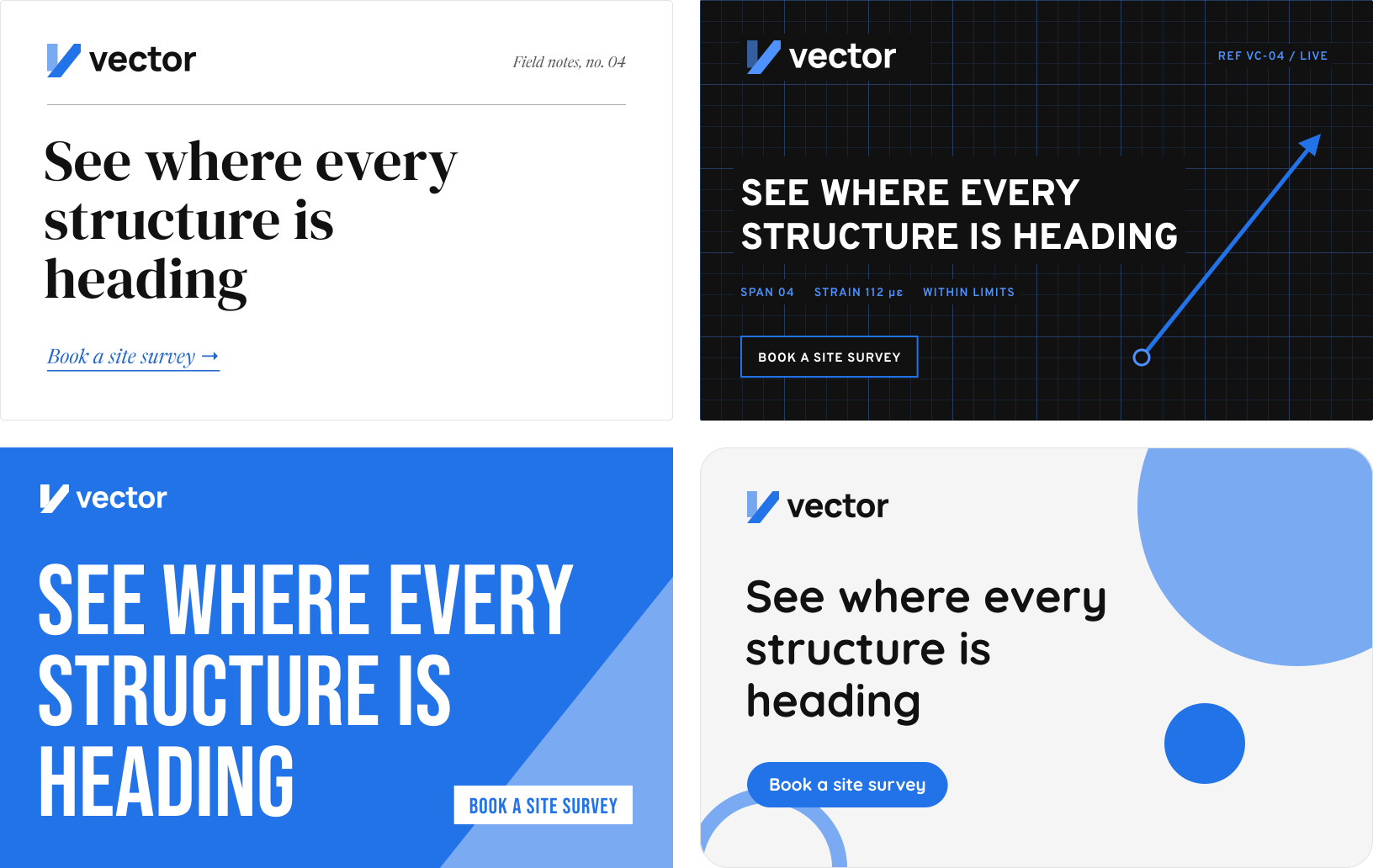
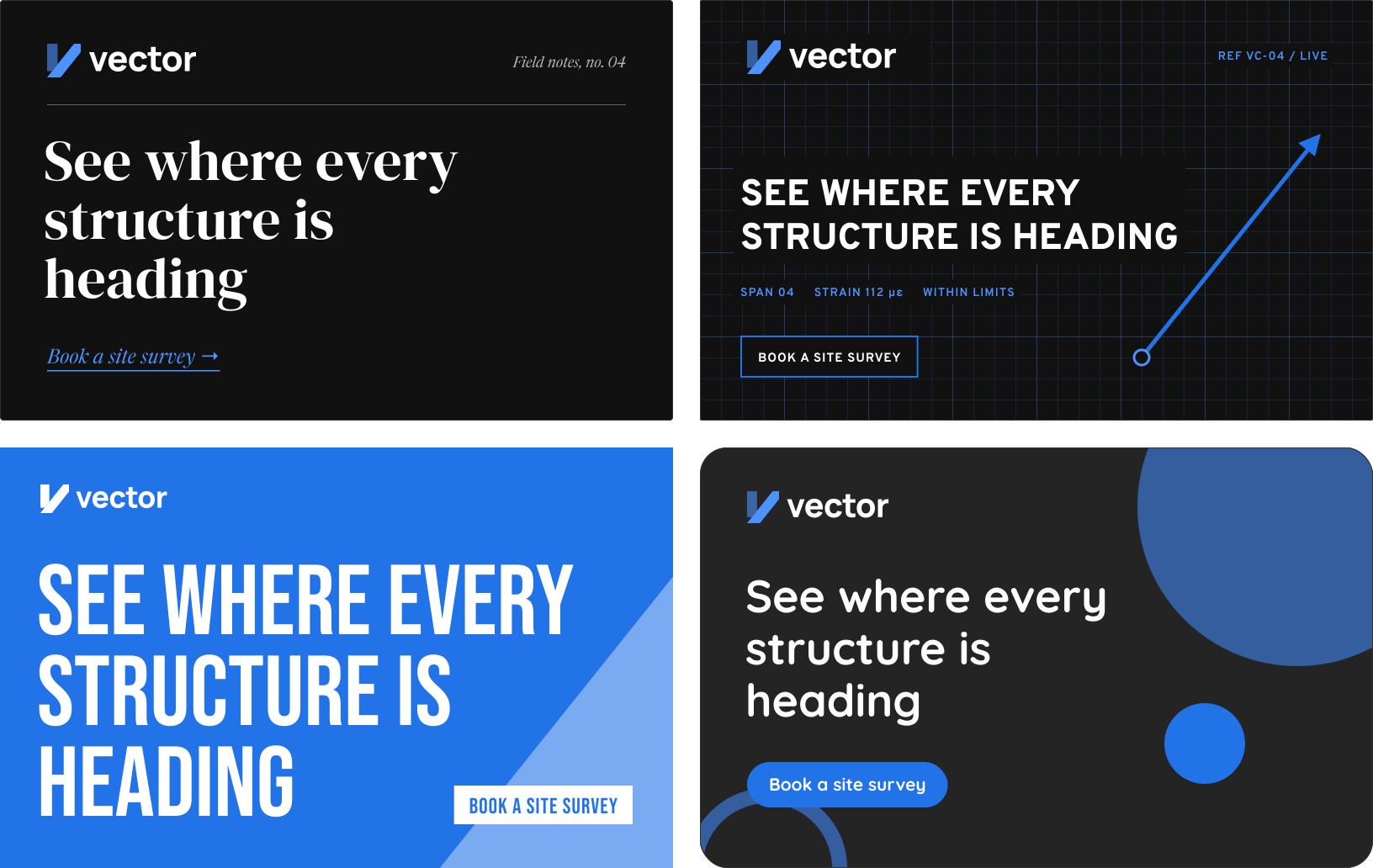
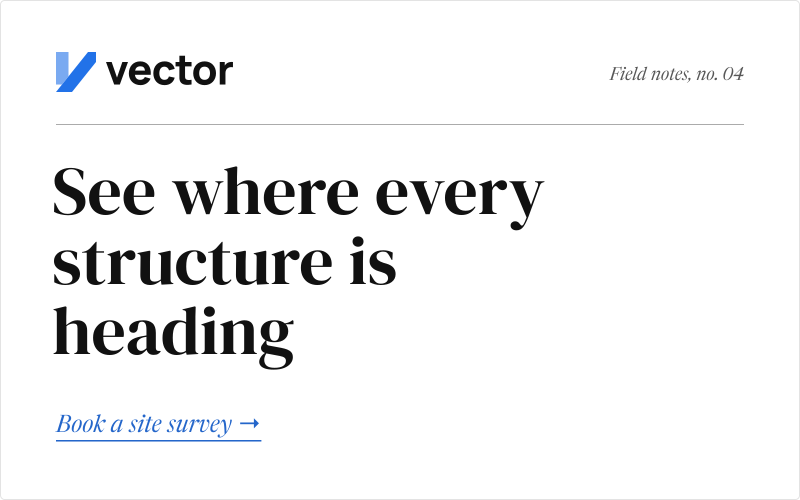
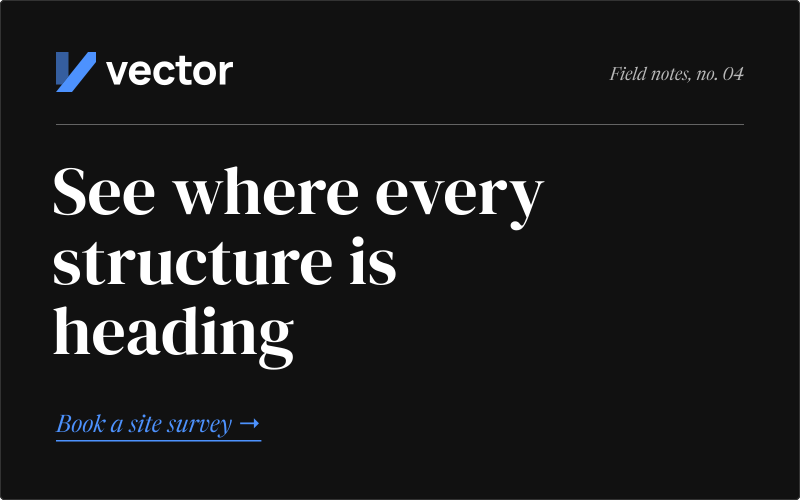
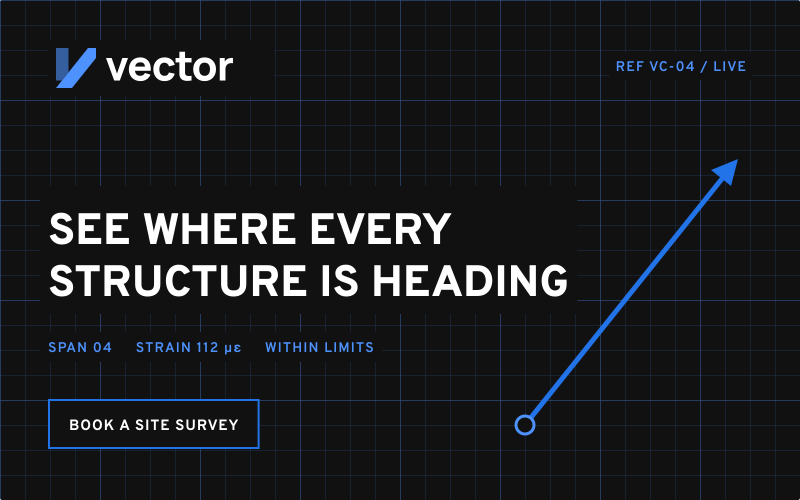
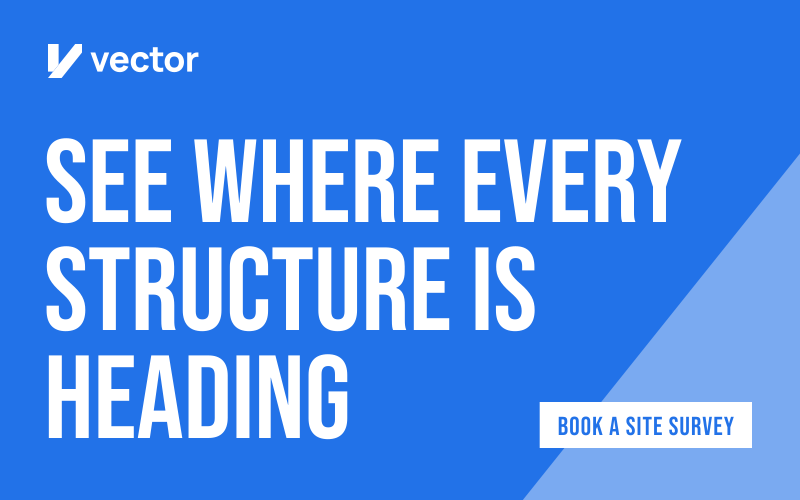
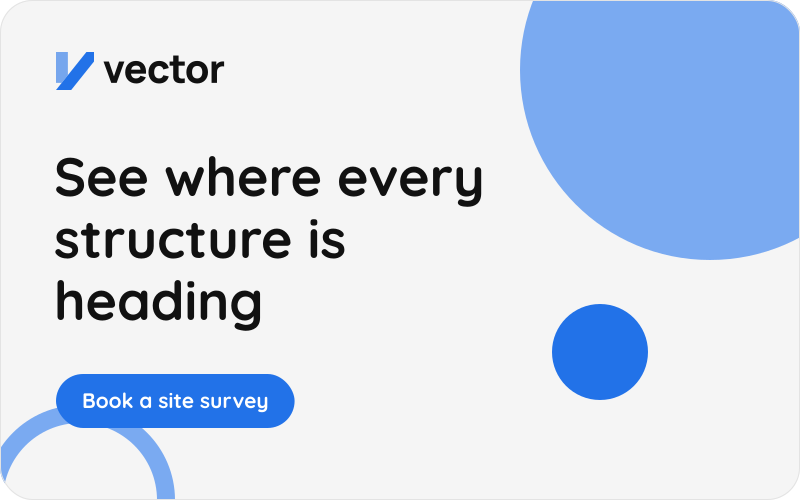
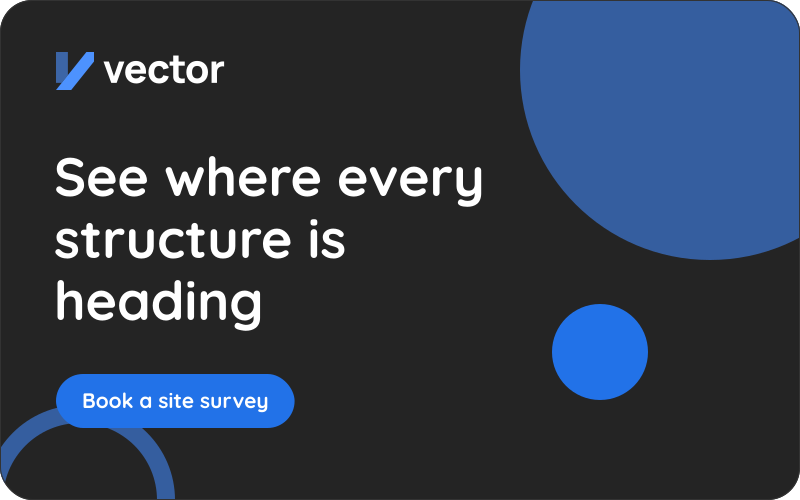
What filled the gap was usually the designer. Designers were often the people who brought the style. A good designer has their own look and feel, an essence that runs through their work, and they’d layer it on top of a brand until it became the brand’s style. A marketer, brand lead or business owner may understand the look and feel of their brand completely, but not be able to say why a piece of work didn’t come back the way they expected. Clients would often see it when another designer took over who wasn’t as good or as experienced. The work deteriorated, and they didn’t always understand why. It was the designer’s taste, skill and organisational ability that produced the clean look they’d been happy with.
AI tools have lost a little of that. It’s what I meant at the start: in a way, we’re all using the same designer now. Without principles, examples, detailed rules and canonical styles, it’s difficult for a tool to know what to do. So it makes its own default best version of whatever was asked for, in the client’s colours and with their logo. The result looks like what everybody else is doing.
Principles trump templates
There are different levels of what you can do here. I set up DesignChief’s own canonical styles as a base, and that base can be loaded into any of the flagship AI tools that have a brand option. It fills out what they ask for quite extensively, and in some cases offers further guidance on things like layouts.
Guidelines used to come with templates for every format the brand would need. Within months, or sooner, the tools, channels and touchpoints themselves could change, with a knock-on effect on how the brand needed to appear.
Take the logo. A minimum clear-space requirement is already a kind of principle. Alongside it, there might be a wider one: don’t cramp the logo, keep it in clear space, balance it with the heading, and never let it dominate. Principles like these work better than “use the logo at this size in this format” or “always set the logo at 25% of the page width”.
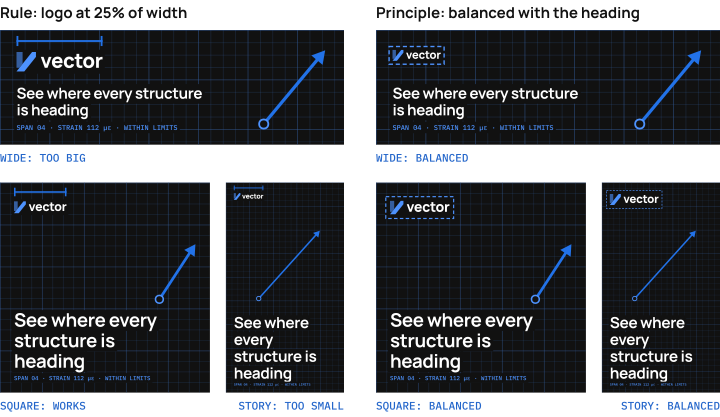
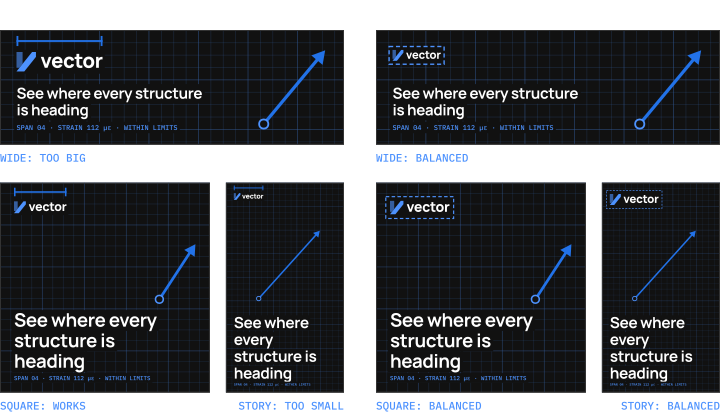
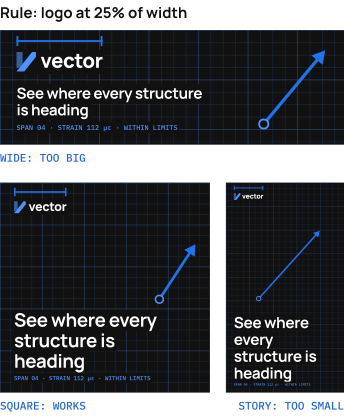
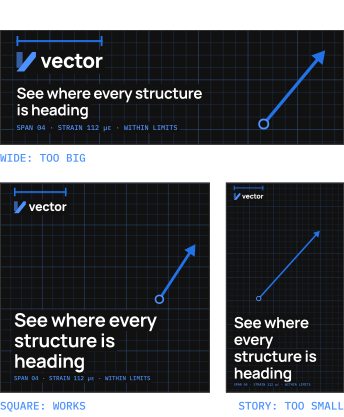
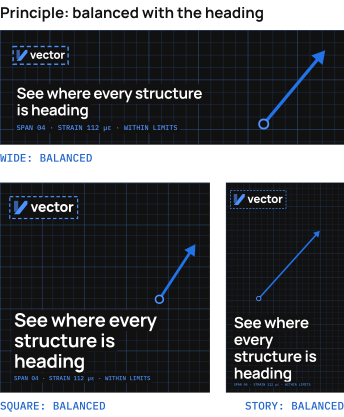
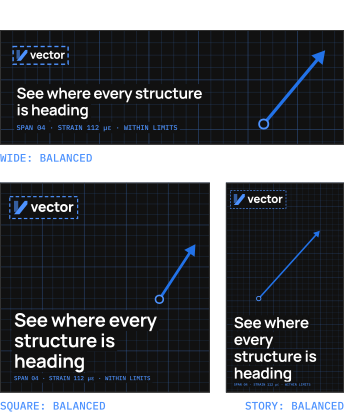
You can’t be too prescriptive when you don’t know what the content or the comms will be. It’s the old idea of teaching someone to fish rather than handing them one. I’d rather a brand worked like a creative director than a set of build instructions, so I lean on principles, backed up with examples.
Writing is where it shows most
The biggest issue I’ve seen is with writing. Emails that have obviously been written by AI keep arriving, and it feels like you’re emailing bots rather than people. From a brand perspective, it can be very off-putting.
I’ve been developing my own voice, and setting up my AI tools to write in it. Even so, we always have to edit. There’s no avoiding that. Where AI is excellent is ideation and helping to formalise topics. The actual text always needs human editing.
How BrandChief came about
All of this came out of my own work. In early 2026, I started auditing DesignChief’s own brand and website, and using AI tools more as they got better at both coding and creative work. I gathered my past projects so agents could work through them, and built some local tools to help. As I went, I realised that setting this up properly for clients would be very useful to them. By the middle of the year, I could see the AI tools moving in a direction that lined up with what I was already doing.
The idea has gone through several versions, but the core of it hasn’t changed: an operating system for a brand, or brand intelligence. I found that working from a client’s brand files inside an agent was more effective than a web interface. Then I looked at how the various tools actually use a brand and what they need from it. That’s changing all the time, but it led to an API and a completely new version of the app.
BrandChief keeps a client’s approved brand in one place, so every tool works from the same source. Tools read from it. The brand still develops, but only when the client approves a change. It stays theirs, and it stays put when the tools move on.
The aim is to separate the brand from the work. Clients should be able to focus on what they’re good at and bring their own expertise and personality to what they make, without worrying about the brand design each time. That side should already be taken care of.
Owning the brand
The part that seems to interest people most is owning their brand: being able to use it in any tool they want, with a way to develop it and share it with the people who work on it. From what I’ve seen, that appeals to startups, business owners, marketing leads and agencies working on brands alike.
Some are heavily invested in AI and see the brand as the key thing to own and keep control of, rather than handing it over to one of the agent tools. Others rarely use AI tools, but can see how a solid brand gives them firm grounding to create from. Teams with a lot of products and a lot of people working on their comms want one place with a consistent way of handling it all, from language to the products they sell.
People seem to see it as an investment in their brand: refreshing it, consolidating it and moving forward, using AI tools with confidence.
Where DesignChief is heading
Once a client has their logo and colours, they’ll use them with AI tools one way or another. I’d rather set the brand up so those tools get it right, and lean into that, than try to keep the old ways going. That’s the direction for DesignChief: working with the latest tools, and building the systems that help clients use them well.